
The Dormant Agent: The AI Risk That Waits Until No One Is Watching
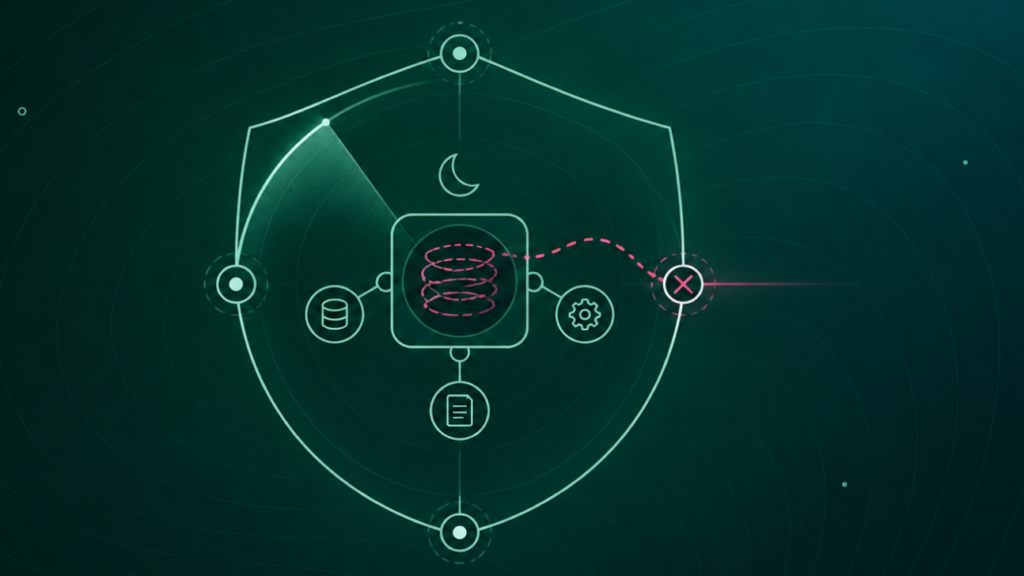
An AI agent can pass every test, behave normally for months, and still carry hidden malicious behavior waiting for the right trigger. Here’s why securing agentic AI requires protection before and after deployment.
You Cannot Scale What You Cannot Measure: Why Evals Are The New Unit Tests For AI Agents
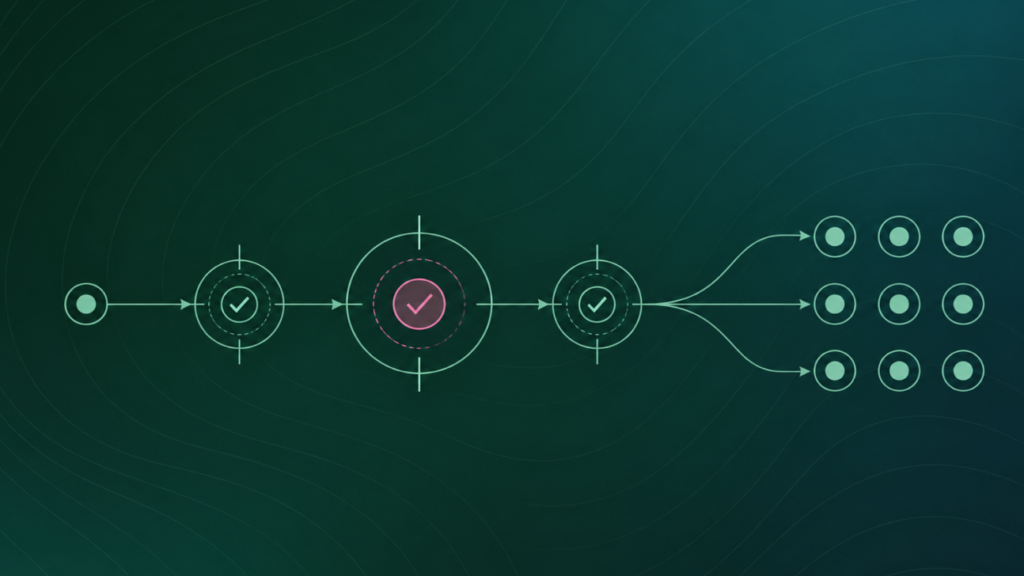
AI agents cannot be trusted at scale without continuous evaluation. This article explores how deterministic checks, LLM-as-a-judge, and ongoing monitoring help teams measure quality, catch regressions, and improve reliability in production.
What Is an Air-Gapped AI System? Complete Technical Breakdown
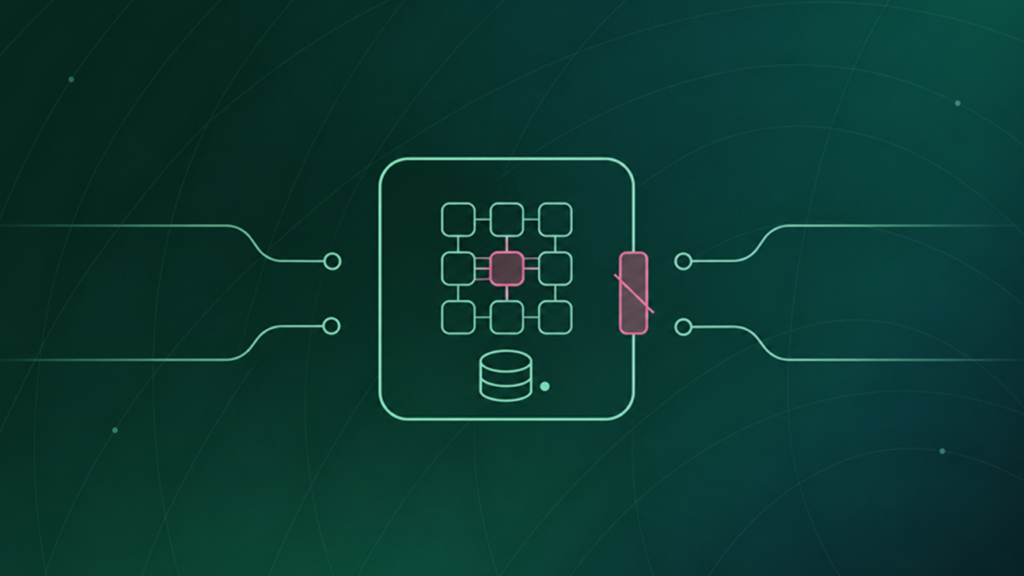
Air-gapped AI environments require a fundamentally different approach to deployment and operations. Learn how Engine Fabric helps organizations manage AI workloads, models, data, and GPU resources securely within fully isolated infrastructure.
OI Parser: Sovereign Document Intelligence, Ranked Among the World’s Best on ParseBench
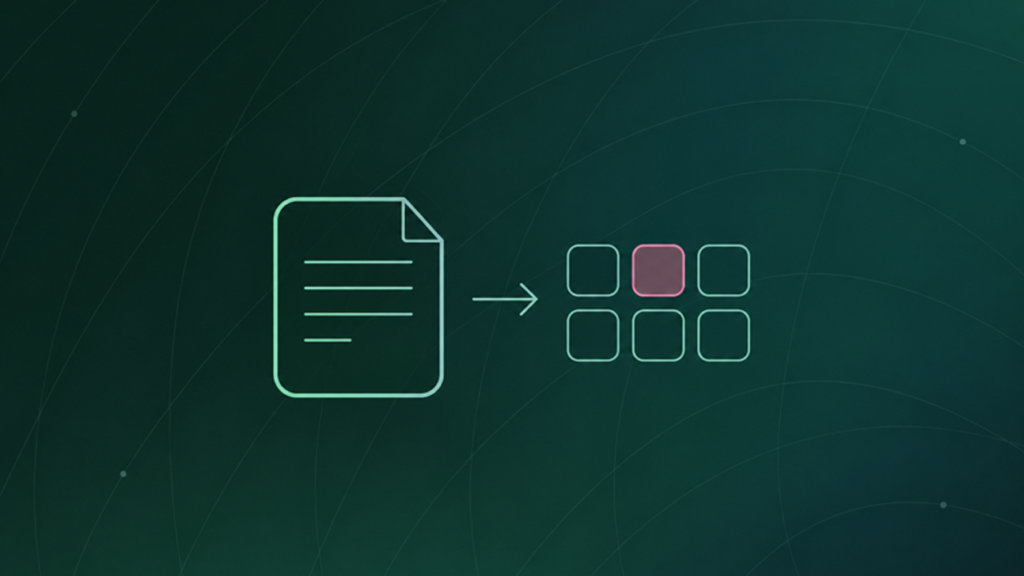
OI Parser turns complex enterprise documents into structured, AI-ready data while keeping sensitive information inside your infrastructure. See how it ranks among the world’s leading document parsers on ParseBench.
Why Sovereign AI Needs a Fabric, Not a Stack

Sovereign AI cannot scale as a collection of disconnected tools. Learn how a connected Fabric brings infrastructure, runtime, AI operations, agents, and security together as one architecture.
Anyone Can Ship the First Agent. The Second Year Is Where Enterprises Break.
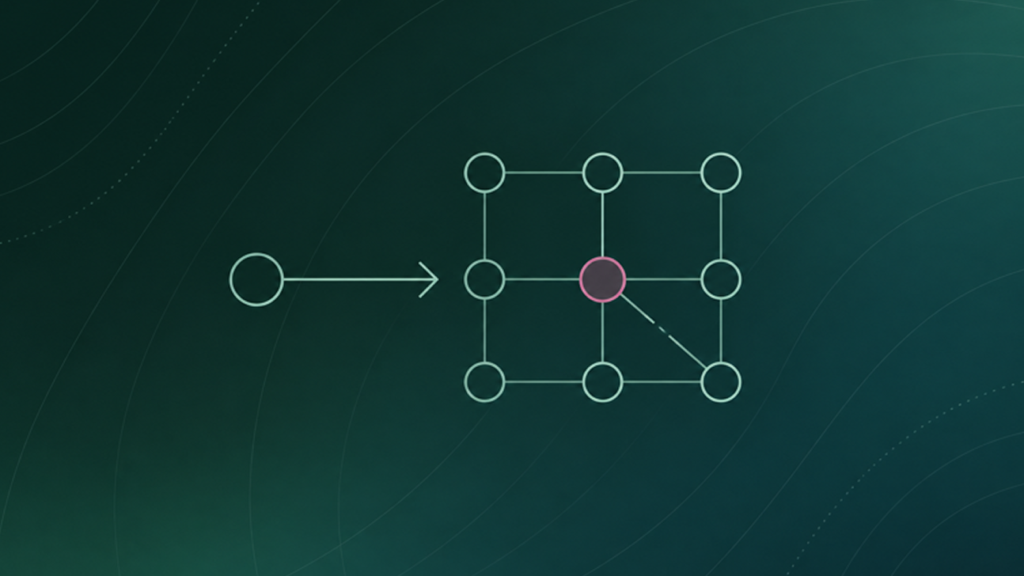
Launching the first AI agent is easy. Scaling from a successful pilot to dozens of reliable, governed agents is where most enterprises stall. This article explains the three ceilings that break agent programs after launch, and why lifecycle management, not the model, determines long-term success.
Context Engineering: The Discipline That Replaced Prompt Engineering
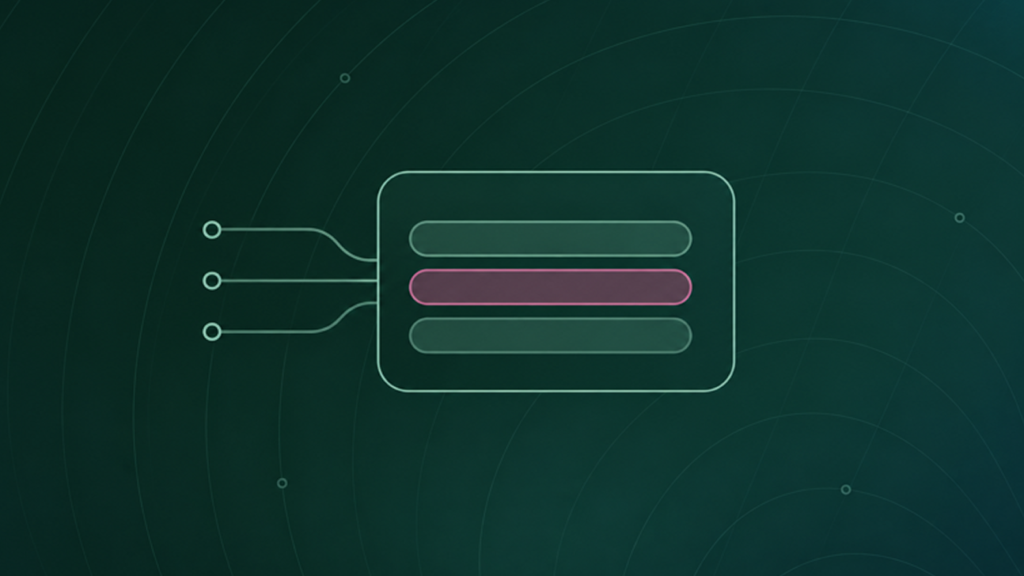
Prompt engineering focused on finding the right words. Context engineering designs everything an AI model sees including retrieved knowledge, memory, tools, permissions, and conversation history. Discover why this discipline now determines agent accuracy, cost, and compliance.
The Model Is Not the Moat: Why the Agent Harness Decides Enterprise AI Success

The AI model may power an agent’s reasoning, but the agent harness determines whether it can act reliably, securely, and at enterprise scale. Here is why the infrastructure surrounding the model is becoming the real competitive advantage in enterprise AI.
Building a Sovereign Agentic Workforce: What the UAE’s 50% Mandate Actually Requires
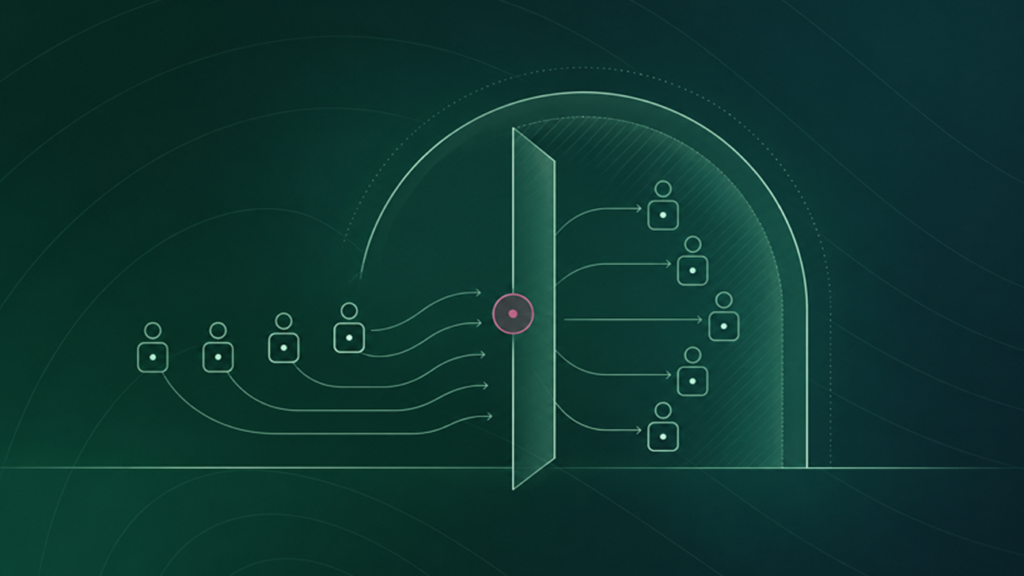
The UAE’s 50% Agentic AI mandate is not just about deploying agents. It requires governance, validation, sovereign infrastructure, and a structured execution model to operate AI safely at national scale.
LoRA Adapters Explained: Efficient Fine-Tuning for LLMs Without Retraining
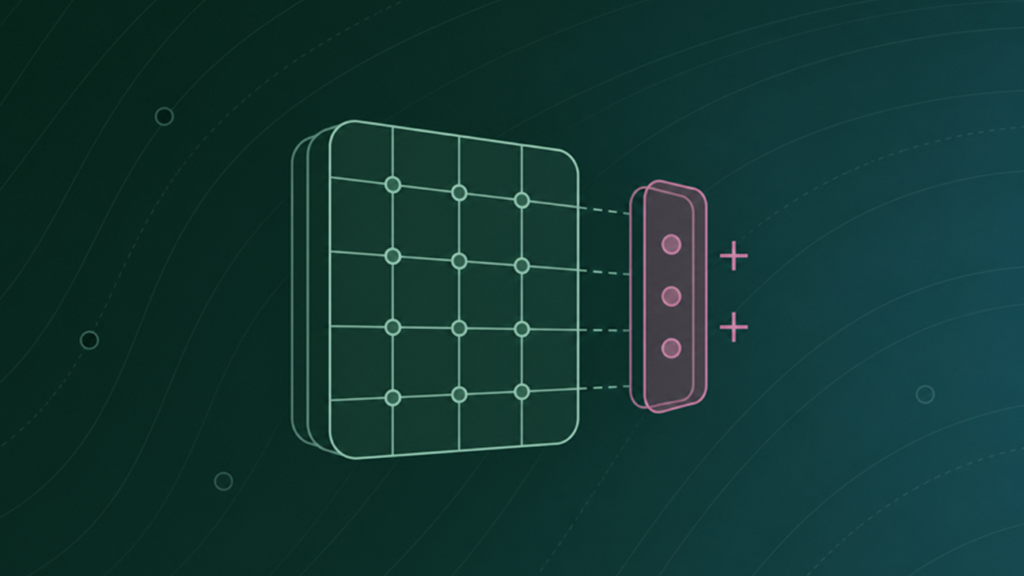
LoRA adapters offer a lightweight way to fine-tune large language models without retraining billions of parameters. Learn how they reduce costs, accelerate deployment, and enable modular AI systems.