
Why Sovereign AI Needs a Fabric, Not a Stack
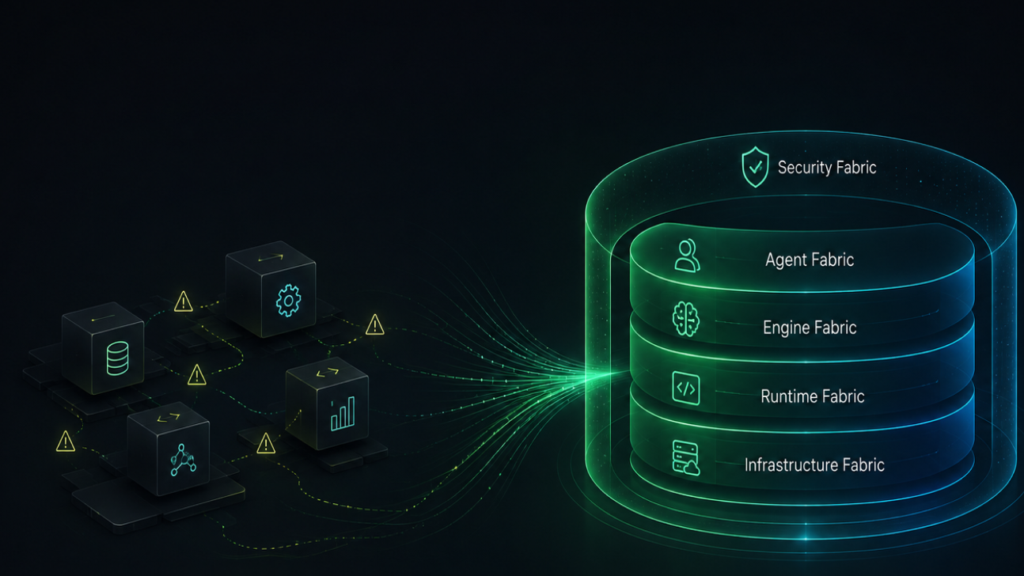
Sovereign AI cannot scale as a collection of disconnected tools. Learn how a connected Fabric brings infrastructure, runtime, AI operations, agents, and security together as one architecture.
Anyone Can Ship the First Agent. The Second Year Is Where Enterprises Break.

Launching the first AI agent is easy. Scaling from a successful pilot to dozens of reliable, governed agents is where most enterprises stall. This article explains the three ceilings that break agent programs after launch, and why lifecycle management, not the model, determines long-term success.
Context Engineering: The Discipline That Replaced Prompt Engineering
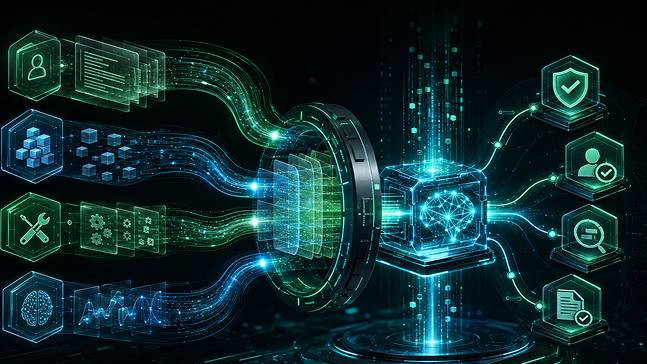
Prompt engineering focused on finding the right words. Context engineering designs everything an AI model sees including retrieved knowledge, memory, tools, permissions, and conversation history. Discover why this discipline now determines agent accuracy, cost, and compliance.
The Model Is Not the Moat: Why the Agent Harness Decides Enterprise AI Success
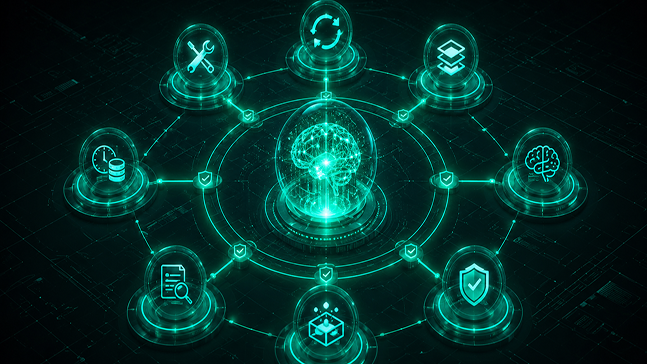
The AI model may power an agent’s reasoning, but the agent harness determines whether it can act reliably, securely, and at enterprise scale. Here is why the infrastructure surrounding the model is becoming the real competitive advantage in enterprise AI.
Building a Sovereign Agentic Workforce: What the UAE’s 50% Mandate Actually Requires

The UAE’s 50% Agentic AI mandate is not just about deploying agents. It requires governance, validation, sovereign infrastructure, and a structured execution model to operate AI safely at national scale.
Shared Cluster or Dedicated Cluster? Why OICM Supports Both

Should AI tenants run on dedicated clusters or shared clusters? OICM supports both models, helping platform teams balance isolation, cost efficiency, onboarding speed, and operational control.
Introducing OI AI Security: End-to-End Security Across the AI Lifecycle
OI AI Security delivers end-to-end protection across the AI lifecycle with model scanning, AI red teaming, runtime guardrails, and real-time monitoring.
LoRA Adapters Explained: Efficient Fine-Tuning for LLMs Without Retraining

LoRA adapters offer a lightweight way to fine-tune large language models without retraining billions of parameters. Learn how they reduce costs, accelerate deployment, and enable modular AI systems.
Designing Multi-Tenant AI Infrastructure with GPU Isolation

Learn how to design multi-tenant AI infrastructure with GPU isolation, workspace quotas, and borrowing mechanisms to ensure fairness and efficiency.
Sovereign AI for Infrastructure Monitoring: Enhancing Telemetry with Local LLMs for Effective Remediation

AI platforms don’t fail politely. While enterprises already collect vast amounts of telemetry, the real challenge is turning signals into explanations fast enough to matter. This post explores how locally deployed LLMs can reason over infrastructure data, correlate failures across domains, and produce evidence-backed remediation guidance without exporting sensitive operational context outside the customer boundary.